Rémi
Supporting family caregivers
Context
This project is part of the UN Sustainable Development Goal "Good Health and Well-Being", focusing more specifically on Alzheimer's disease and those who live in its shadow: family caregivers.
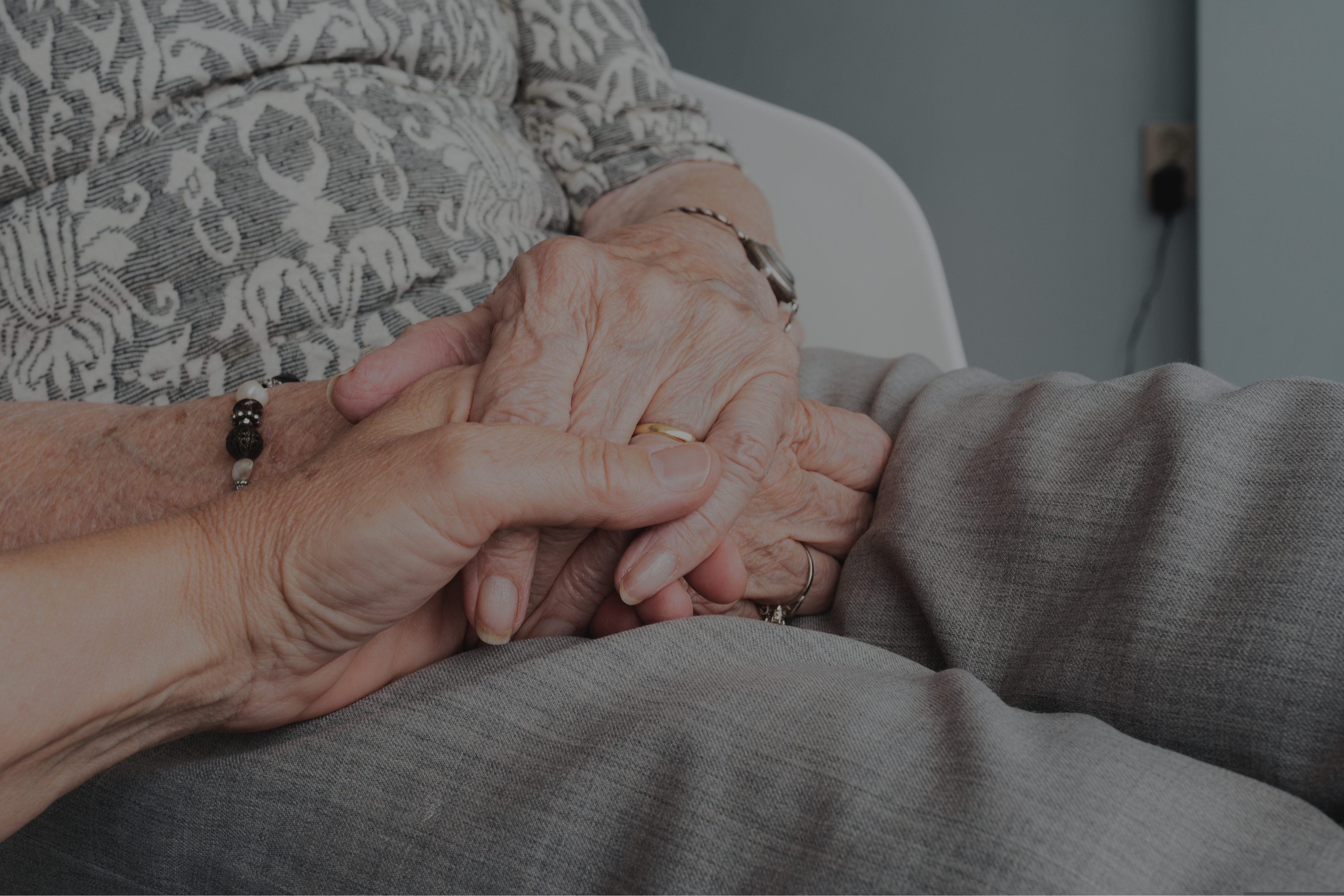
In Québec, in 2025, 110,000 people support a loved one with a cognitive disorder, for an average of 26 hours a week, often at the expense of their own well-being. By 2050, these disorders are expected to rise by 140% (Alzheimer Society, n.d.).
Goal
Faced with this reality, the project aims to design a product centred on caregivers' well-being: a tool that supports their quality of life, eases their daily load, and helps them balance their caregiving role with their personal life.
Research method
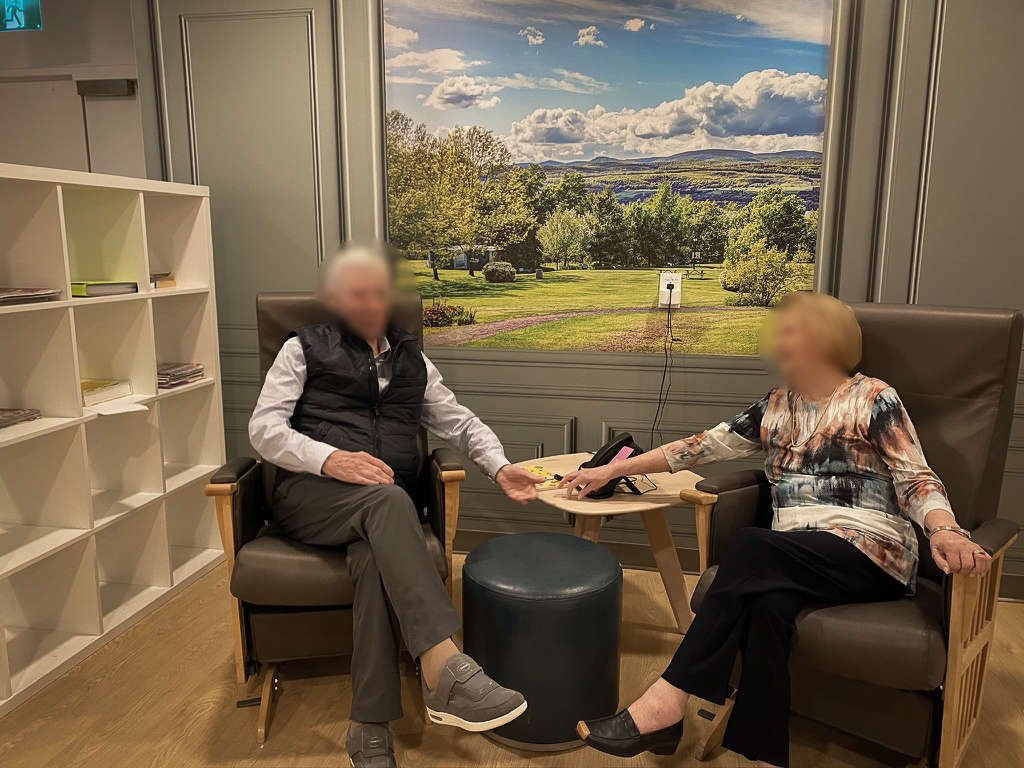
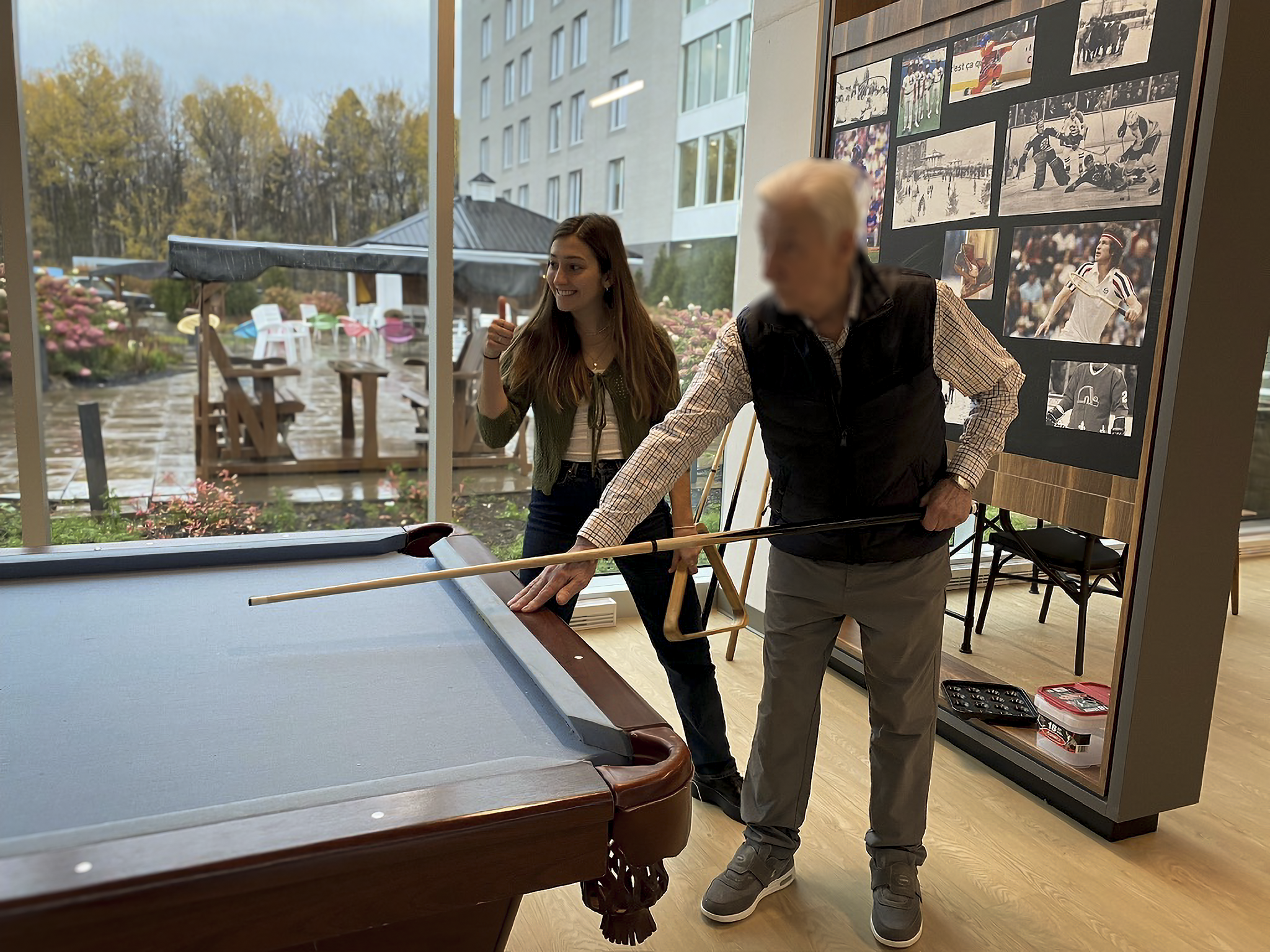
Participant observation
Carried out three times to better understand caregivers' perceptions, emotions, and behaviours in the face of the disease's constraints.
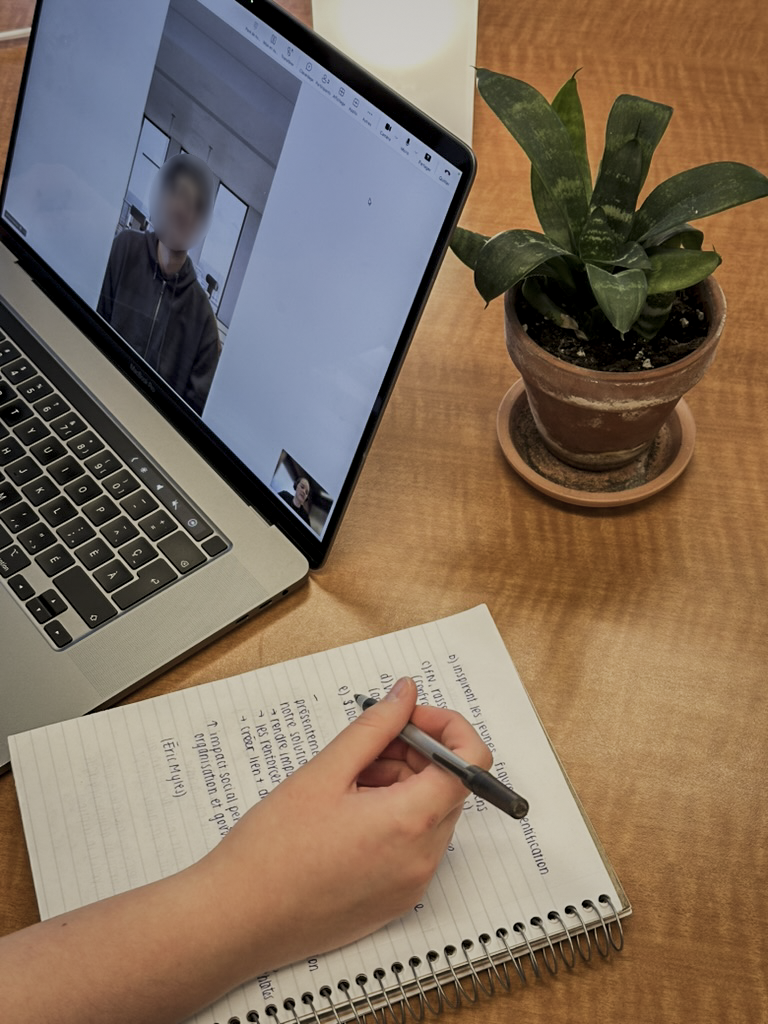
Non-participant observation
Carried out six times to capture the real, spontaneous dynamics of the caregiver role, which are often harder to put into words.
Interview
Conducted formally (4) and informally (2) to gather concrete stories and lived challenges from caregivers through their own point of view.
Questionnaire
Distributed to collect more than fifty perspectives from a variety of participants and surface trends related to the main research topics.
Mapping
Carried out twice to visualize the complexity of the support system, understand how information flows, and identify overloads and breakdowns.
Diary study
Carried out twice to document daily life to better understand caregivers' perceptions and emotions, while limiting the time and effort required.


Findings
The caregiver role sets in gradually, often without anticipating the involvement to come.
The mental load tied to planning, decisions, and management grows and evolves as the disease progresses.
Over time, energy declines, as do social support and recognition.
Feelings of guilt and helplessness are common, especially when managing symptoms and facing a lack of clear solutions.
Exchanges with specialists become less regular after the diagnosis, reducing follow-up and support.
The advice available is often too general and poorly suited, which limits personalization to each caregiver's situation.
Design opportunity
These findings led us to frame the following opportunity: How might we offer family caregivers personalized support that evolves with the progression of the disease, in order to ease their mental load and support their well-being throughout their journey?
Final solution
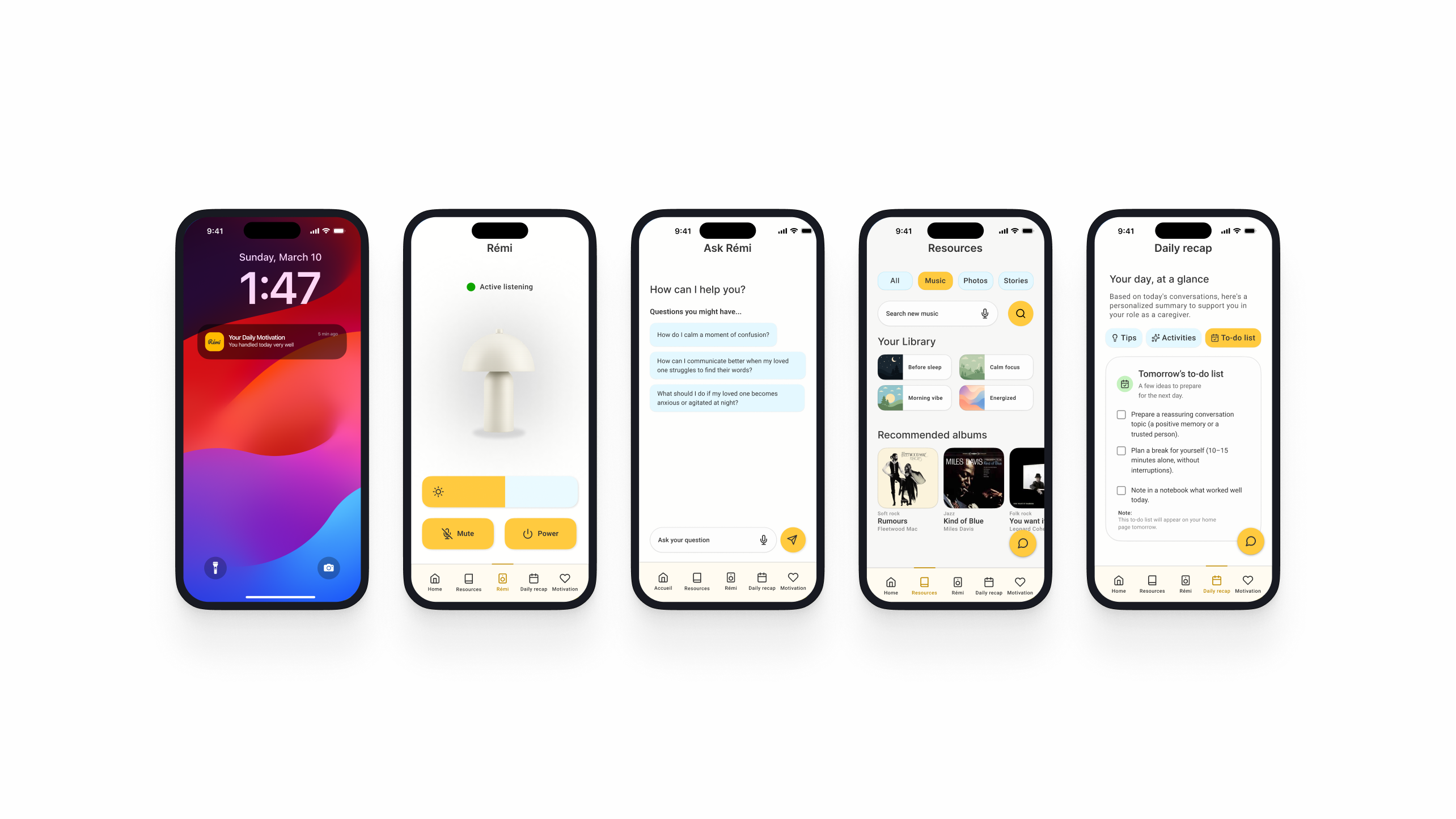
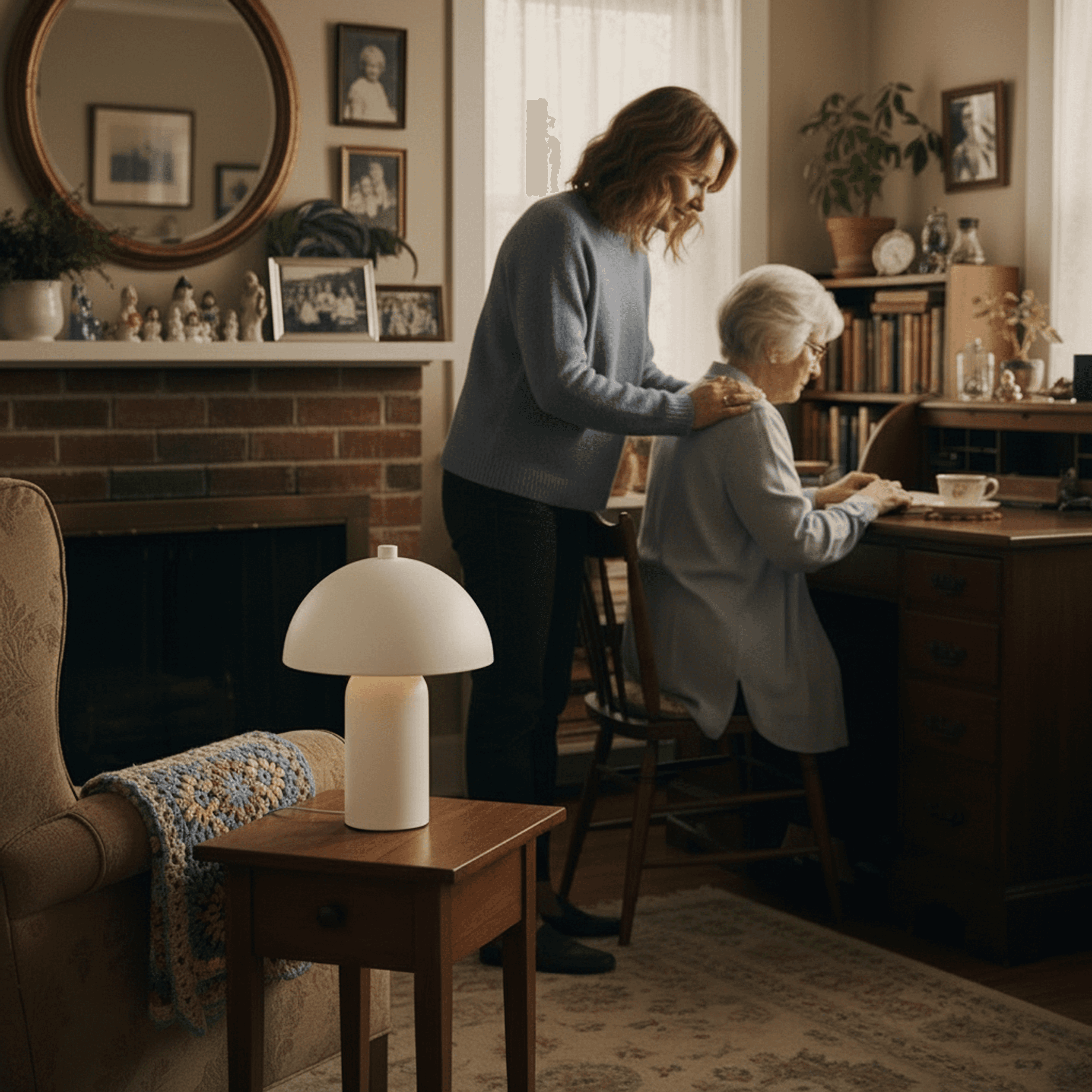
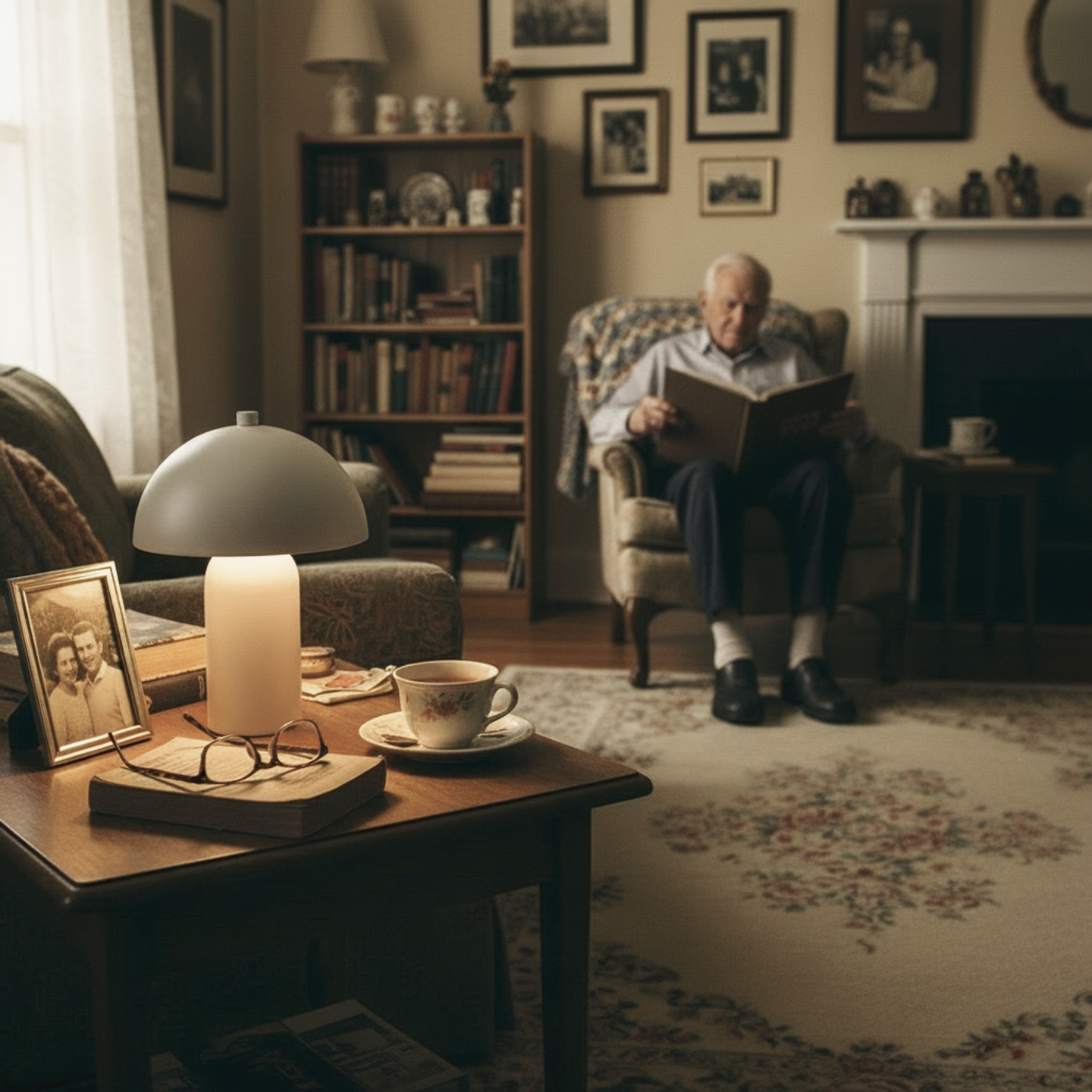
Our solution is called Rémi. Present in the home of the person with Alzheimer's, it actively listens to conversations between them and the caregiver. Using an algorithm, it generates a simple, clear recap each day that summarizes the key moments, identifies the challenges encountered, and offers advice suited to each unique situation, so the caregiver feels as equipped as possible in a role that is constantly changing.
Rémi can also be called on at a specific moment of the day, whether to answer an important question or to support a difficult moment. It is entirely controlled by the caregiver, who chooses when to activate it based on their comfort, thanks to full controls on the lamp and in the app.